EYFS
Brown Bears Nursery London
EYFS
The government and early years professionals describe the time in your child’s life from birth to five as the Early Years Foundation Stage. Early years providers such as nurseries must follow a legal document called the Early Years Foundation Stage Framework.
Understanding the Early Years Foundation Stage

Areas of Development
There are 7 areas of learning and development which guide professionals’ engagement with your child’s activities and play as they develop, demonstrate understanding and learn new skills and knowledge.
In a child’s first 24 months the focus is mainly on developing the 3 prime areas first, these are:
- Communication & Language
- Physical Development
- Personal, Social & Emotional Development
The prime areas are fundamental in your child’s healthy development and are the foundations for their future progress. As your child grows the prime areas will support children to develop skills in the 4 specific areas which are:
- Literacy
- Mathematics
- Understanding the World
- Expressive Arts and Design
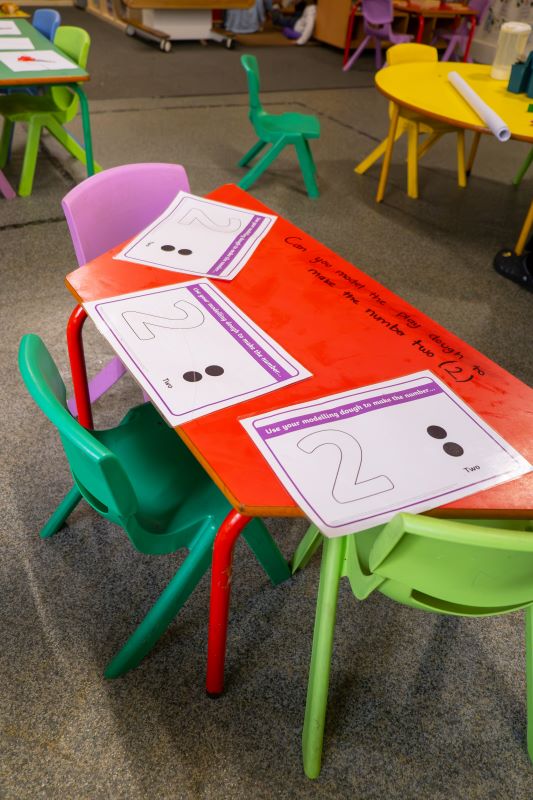
The EYFS is simular to a curriculum used in schools, however it is suitable for young children and babies. The areas of development are used in teaching and supporting children and are used in planning activities that will meet your child’s individual needs and interests.
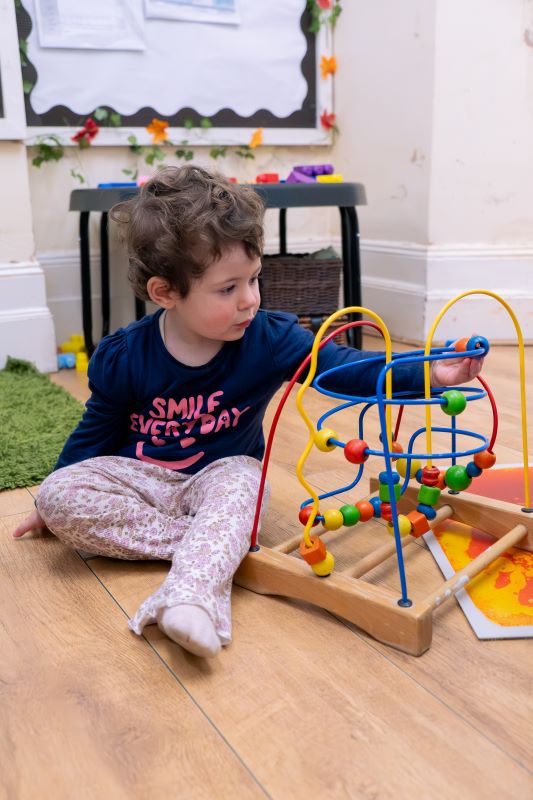
Within their early years foundation stage children learn through playing and exploring, active learning and creating and thinking critically.
Learning & Development Progress Check at 2
Between 24 & 36 months the nursery staff working with your child will provide you with a written summary of your child’s learning and development in the 3 prime areas.
- Communication & Language
- Physical Development
- Personal, Social & Emotional Development
The progress check will highlight your child’s progression and any areas where your child may need support. Your child’s key person will meet with you and highlight ways in which they feel they can support the child in the setting and suggest ways to do the same at home. Through a discussion between parent and practitioner you will find ways in supporting your child in their learning journey. You may find it helpful to share this review with other professionals such as your health visitor in your child’s health and development review.
EYFS Profile at age 5
At the end of the EYFS in the summer term of the reception school year the reception class teachers will complete an assessment based what they have observed over a period of time.
An important part of this assessment is your knowledge about your child’s learning and development so speak with the class teacher. The information collected will help the class teacher assess your child in the 7 areas of learning and decide if your child may need extra support and inform them of their likes and dislikes.
The Learning Journey
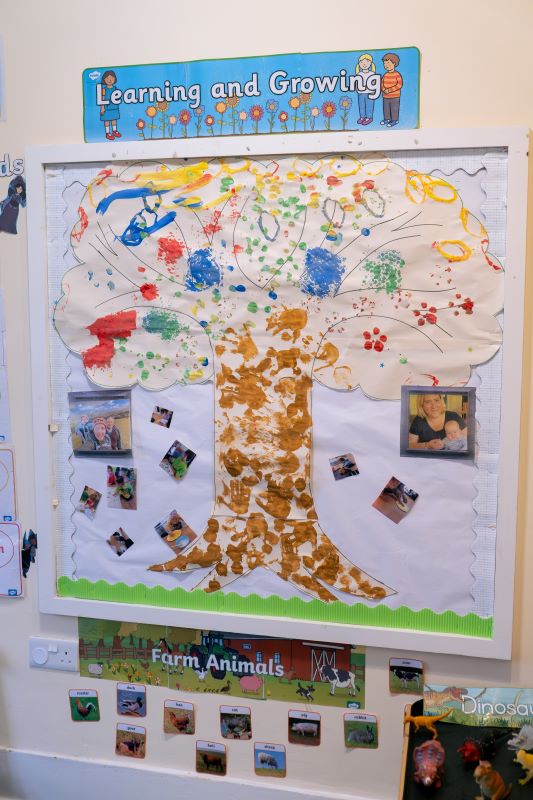
The learning journey is a continuous journey thorough a child’s early years and is built on the things that they have already experienced. The learning journey is recorded on Tapestry with the use of a collection of documents that help to provide a clear picture of your child’s learning and development in the prime and specific areas of the EYFS.
Every childs learning journey takes a personal path that is based on their individuality and uniqueness. The learning journey’s consist of observations, next steps, planned activities, learning stories, wow moments, individual assessments, I can and I said pages, photographs and art work. Your child’s key person will link these things to the EYFS to build a unique picture of your child’s abilities and plan forward next steps.
Contributions to your child’s learning journey should not be left solely to your child’s key person. Parents are their childs first educators and along with family and other adults that have contact with the child should be involved in their learning journey.
Parents/carers/family are invited to contribute and comment on their childs experiances away from the setting by using the documents in the corridors of the nursery or the post it notes on the parents board upstairs. There is also a comments facility on our website that can be used to inform us of experiances via email.
To view their child’s learning journey at any time, we do ask though that if you wish to speak to your child’s key person with regard their learning and development you arrange an appropriate time as we can not always give you the attention required when working in the busy room.
Childrens learning journeys are available for all children. Pre-school children have continuous access to their own journeys and are encouraged to share them with family and be actively involved in the creation of them.
How You Can Help as a Parent/Carer
Parents are the first and most enduring educators of their children: If we want good outcomes for children, then we must look to the role of parents as their children’s educators.
All the fun things that you do at home and out and about with your child are fundamental in supporting your little treasures to learn and develop, these things will have a huge impact on your child’s learning and progress.
Talking to your child even before they can talk back helps them learn words and language, form ideas and understand the world around them. There are many things that you do with your child on a daily basis that will make a real difference to their confidence as a young learner.
For example:
- Singing songs
- Telling/reading stories
- Talking about colours, numbers and objects
- Cutting, sticking, mark making and painting
- Cooking and baking
- Gardening
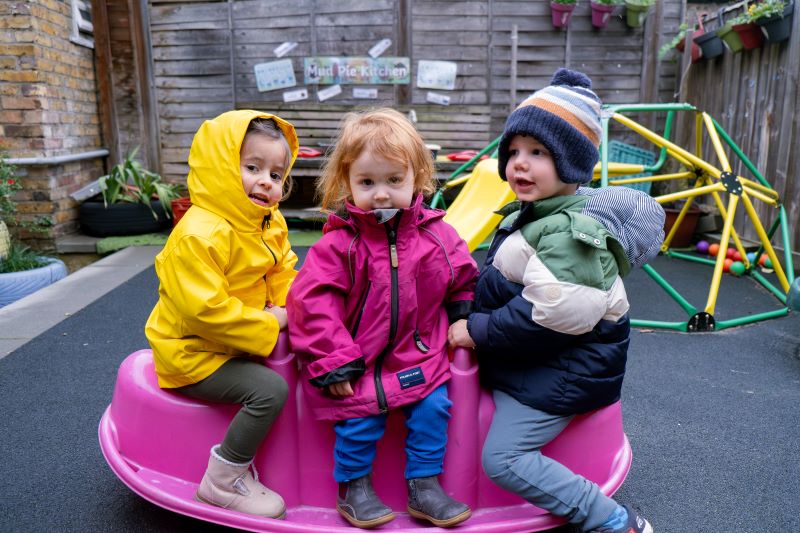
- Playing outdoors in a variety of weathers
- Exploring
- Talking
- Celebrating events/festivals
- Climbing and building
Children learn to smile from their parents